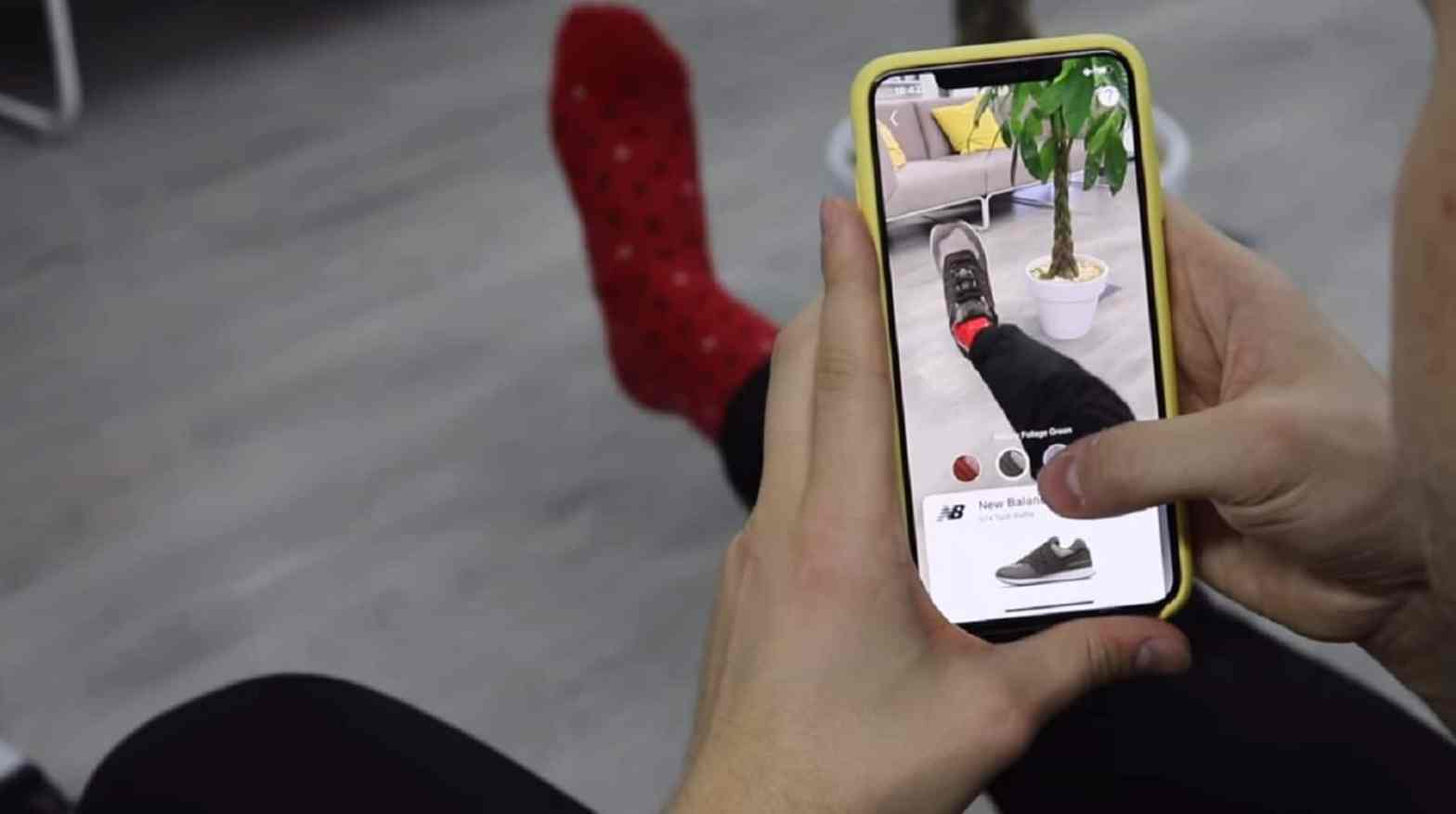
Virtual reality and augmented reality have begun to seep into our everyday lives as businesses have begun to incorporate the technology more than ever before. New apps and programs are being published everyday to help people tackle issues in a way that they haven’t before. People have created a number of applications that can help the efficiency of our work, whether that be shopping, locating a travel spot for your friends and family, or previewing what a building of a certain size might look like on a block.
If you have a smartphone or computer, you can access and download applications that can perform a number of functions. Take for instance Wanna Kicks, the featured image located at top of this post, an AR app that allows you to “try on” shoes without ever leaving the house. The app performs a virtual scan of countless shoes using “3D geometry algorithms”, matches them with your shoe size from a particular model you already own, and digitally renders the shoe of your choice onto your foot through the camera. This application of augmented reality is a perfect example of how the technology is being adopted by every day retailers.
Likewise, people are creating applications that use the power of our phones and cameras to project other information onto our local environment. AR now allows us to project a number of different items, including clothing, furniture, appliances, and the like, digitally.
Room building tools like IKEA Place allow users to add accurately scaled furniture to their room from their smartphone or tablet. The technology allows users to select furniture and other objects from the company’s inventory and “move them around the room” so that anyone, ranging from interior decorators to 10 year olds decorating their room for the first time, can preview their plans without committing to any purchases.
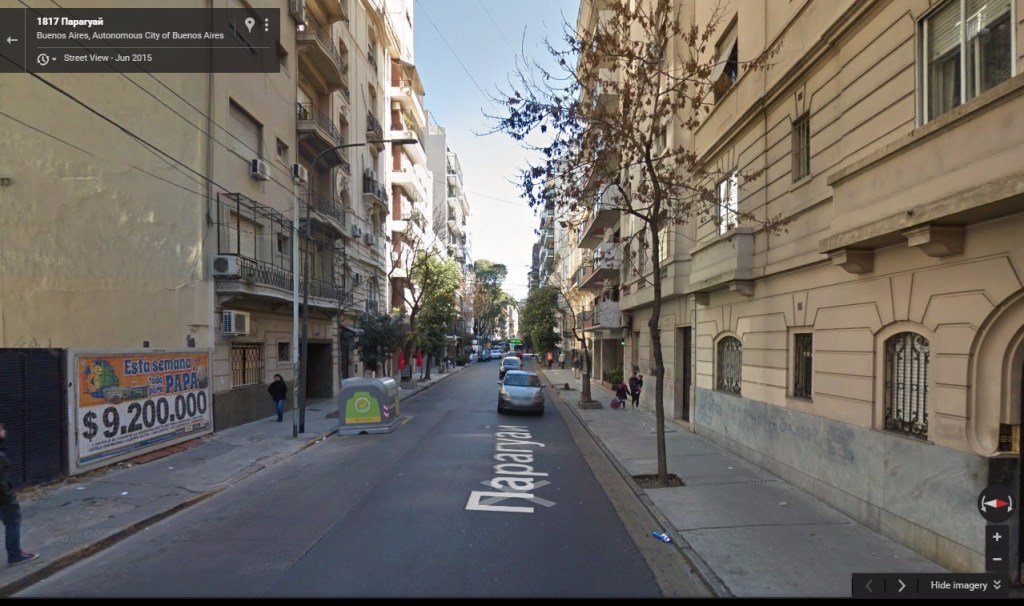
Other applications include the use of virtual reality to promote travel or real estate. Companies have now begun to use the technology to record settings that vary from houses, to apartments, to beaches, and mountains. The use of 360 degree cameras has made this all a possibility. People can now watch videos of prospective houses or travel spots to virtually explore the area and get a sense of what they might be purchasing. This is further amplified by using multiple videos or pictures captured by the 360 degree camera so that people can “move” around the environment. This has been largely popularized by Google Maps’ street view function which was perhaps the first really popular and widely accepted AR technology by everyday people.
 Our Future Reality: Virtual and Augmented